Market2026-10-077 min
Answering Faster Than Your Competitors: The Cheapest Advantage There Is
The first to respond wins the job in most cases — not because they're better, because they're first. The speed ladder, the structural problem making you slow despite yourself, and three levers to get ahead.
The starting line is ridiculously low
Before talking speed, a fact: between 25 and 30% of calls to small businesses go unanswered during opening hours. In other words, in most local markets, "answer every call quickly" alone puts you in the top tier without any other virtue. That's not strategy, it's basic hygiene — and basic hygiene is rare.
That scarcity is your opportunity. Fixing availability costs a few hundred dollars a month at most; fixing reputation, pricing position, or service quality costs years. Speed is the only competitive advantage in local commerce that can be bought off the shelf.
Why the first responder wins
Three mechanisms explain the first-mover premium. Anchoring first: the first quote received becomes the mental benchmark against which all others are judged. Invested effort next: a customer who has already explained their breakdown once doesn't want to re-explain it three times — the started conversation has value to them. Time scarcity finally: they have a problem today, and whoever solves it today erases the comparison.
None of these mechanisms depends on the quality of your answer — only on its position in time. That's what makes the speed premium so unfair and so exploitable: you can be twice as expensive and answer in three minutes, and still win the job. The market doesn't reward the best; it rewards the available.
The speed ladder and what each rung is worth
The response-time hierarchy as it stands in 2026 reads like a value ladder. Ten seconds: the conversation is engaged, the customer hasn't even had time to call elsewhere — that's automatic text-back territory. Five to ten minutes: you're still inside the decision window, the job is winnable. One hour: most customers have already talked to someone; you're playing catch-up.
Next morning: you're answering a customer who, most of the time, signed elsewhere the day before. And voicemail never answers at all — fewer than 3% of callers leave a message; the rest vanish silently. Every rung you descend costs a conversion percentage you'll never see on an invoice, but one that's genuinely gone.
The structural problem: you're busy when they call
Here's the central speed trap: customer calls concentrate precisely in the hours you're least available. The mid-morning call peak coincides with the heart of on-site work; the early-evening peak coincides with the end of your day, when you're tired and driving. Your personal responsiveness isn't the issue: the calendar is against you.
The conclusion is harsh but liberating: trying to answer more "through discipline" fails, because discipline can't beat a structure. The solution runs through systems that answer on your behalf during your unavailable hours — not through more willpower.
Three concrete levers to get ahead
Lever 1: no-answer forwarding, set to 15–20 seconds — early enough to catch the caller before they decide to give up, late enough to give you time to pick up. This single setting, free with most carriers, mechanically cuts your "forgotten" missed calls.
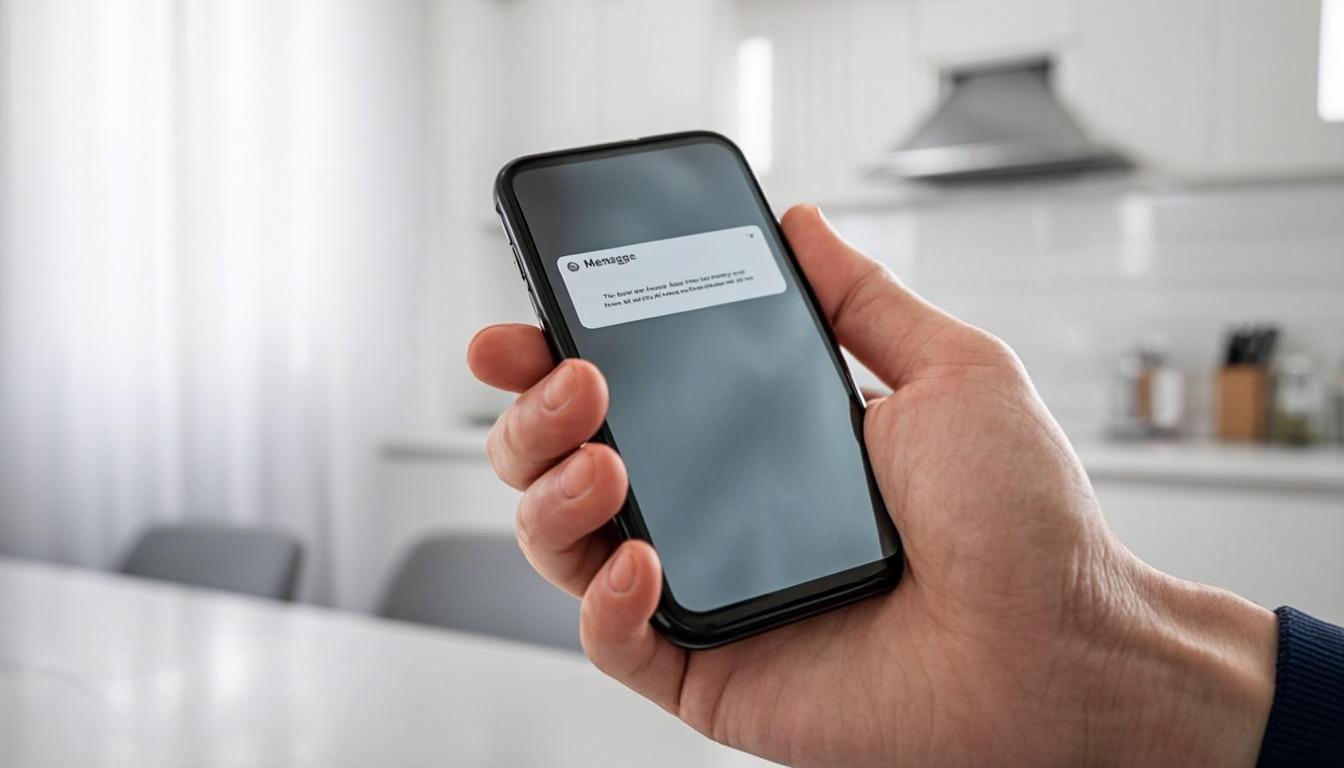
Lever 2: automatic text-back on missed calls, engaging the conversation in under ten seconds even while you're under a sink. That's the tier where speed becomes structurally unbeatable: SMS, with its 98% open rate, answers before any human competitor. Lever 3: two fixed catch-up slots in your day — 12:30 and 5:15 PM, say — dedicated solely to callbacks, so "later" never becomes "tomorrow".
Measuring your first-response speed
What isn't measured doesn't improve. For one week, log for every incoming call the arrival time and the time of your first actual contact — answered, texted, or called back. Sort results into four columns: under a minute, under ten minutes, under an hour, over an hour. The distribution is your speed footprint, and it's almost always worse than your gut feeling.
Then re-run the measure a month after installing the three levers. The before/after numbers beat any agency pitch: if your "under a minute" column goes from 20% to 80%, you've just bought the market share your competitors leave on the table every morning. At Harch Signal, that dashboard ships standard — every missed call, every text, every booking, timestamped.
FAQ
Questions we get
What does "speed to lead" mean exactly?
It's the delay between a prospect's first touch and your first response. The consolidated rule of thumb: under five minutes, the prospect is still yours; past ten, they're already talking to someone else.
Doesn't answering fast look desperate?
Never in local commerce: speed reads as reliability there, not servility. The customer has a problem today; the one who handles it today is the professional, not the desperate one.
Does a text count as a response?
Yes, and often as the best one: it engages the conversation within seconds, leaves a written trace, and uses the channel customers prefer. What matters isn't the medium — it's that the silence is broken inside the decision window.
Answered in under 10 seconds
Your next missed call can be the last one.
$149 credited on month 1. No commitment. Cancel within 30 days, no fees.